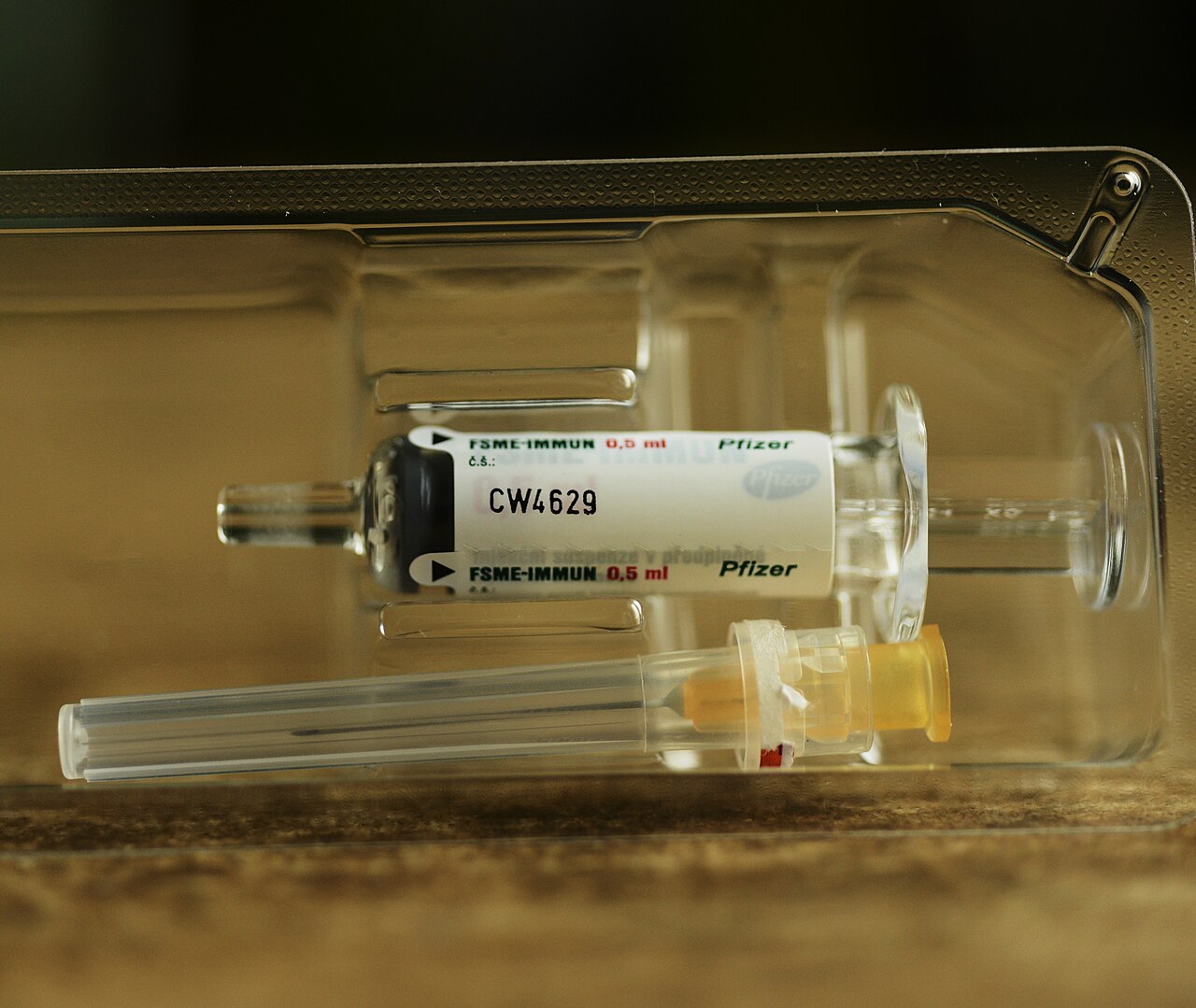
FSME Vaccine Side Effects: What to Expect After Your Shot
The decision to get vaccinated is an important step in safeguarding your health, especially when facing risks from tick-borne diseases like Tick-borne Encephalitis (TBE), often referred to as FSME (Frühsommer-Meningoenzephalitis) in German-speaking regions. The Fsme Immun Impfung is a crucial preventative measure, but like any medical intervention, it can come with side effects. Understanding what to expect after your FSME shot can help you feel more prepared and confident in your choice. This comprehensive guide will walk you through common reactions, considerations for specific groups, and when to seek medical advice.
Understanding the FSME Vaccine and Its Purpose
FSME is a viral infection transmitted to humans through the bite of infected ticks. It can lead to serious neurological complications, including meningitis, encephalitis, or meningoencephalitis, which affect the brain and spinal cord. While many infections are mild or asymptomatic, severe cases can result in long-term neurological damage or even be fatal. Unfortunately, there is no specific treatment for FSME once the infection has taken hold, making prevention paramount.
The FSME vaccine utilizes an inactivated (killed) form of the FSME virus. This means it cannot cause the disease itself but effectively trains your immune system to recognize and fight off the virus if you are exposed in the future. The vaccine is highly effective and widely recommended for individuals living in or traveling to FSME risk areas, as well as those with occupational exposure. For a detailed guide on who should consider this vital protection, explore our article on FSME Immunization: Who Needs It? Risk Areas & Occupations.
Common Local Side Effects at the Injection Site
Most people experience some form of local reaction at the site where the vaccine was administered. These reactions are a normal sign that your immune system is responding to the vaccine and building protection. They are typically mild and temporary.
- Pain or Soreness: It's very common to feel a slight ache or tenderness at the injection site. This might feel like a mild bruise.
- Redness and Swelling: The skin around the injection area may become slightly red and a bit swollen. This redness can sometimes spread to an area comparable to the size of a 2-Euro coin, as reported by some individuals.
- Tension or Bruise-like Feeling: Some describe the sensation as a feeling of tension or a significant bruise.
These local side effects usually appear within a day of vaccination and tend to subside within 1-2 days. By the third day, most individuals report feeling almost no residual discomfort. To manage these symptoms, you can apply a clean, cool compress to the area, avoid strenuous activity involving the injected arm, and take over-the-counter pain relievers like paracetamol or ibuprofen if needed, following package instructions. It's important to remember that these localized reactions are harmless and indicate your immune system is actively working.
General Systemic Side Effects
Beyond local reactions, some individuals may experience systemic (body-wide) side effects. These are also generally mild and short-lived, reflecting your body's broader immune response. While many people, like the individual referenced in our context, report experiencing no systemic effects such as headaches, muscle pain, or nausea, these are still recognized as potential, albeit less common, reactions.
- Fever: While less common in adults, fever (body temperature over 38°C) can occur, particularly in children. Studies indicate it may affect around 15% of one- to two-year-old children and about 5% of three- to eleven-year-olds after vaccination. For adults, the incidence is generally lower.
- Headache and Muscle Aches: Some people might experience a mild headache or general muscle soreness, similar to what one might feel with the onset of a common cold.
- Fatigue or Malaise: A general feeling of tiredness or being unwell can sometimes occur.
- Nausea: Though infrequent, mild nausea has been reported by a small number of vaccine recipients.
- Flu-like Symptoms: In rare cases, individuals might experience a collection of symptoms resembling a mild flu, including a runny nose or feeling generally under the weather. However, it's crucial to distinguish these from actual infections that might coincidentally occur around the time of vaccination.
These systemic reactions typically resolve within 24-48 hours. Staying hydrated and getting adequate rest can help alleviate discomfort. If symptoms persist or worsen, it's always wise to consult a healthcare professional.
FSME Vaccination During Special Circumstances: Children, Pregnancy, and Breastfeeding
The decision to vaccinate becomes even more nuanced for certain population groups. The benefits of the Fsme Immun Impfung must be carefully weighed against potential risks, especially since FSME has no specific treatment.
Children
Children are often at higher risk of tick bites due to their increased outdoor activity. While FSME generally runs a milder course in children compared to adults, severe cases can still occur. Data suggests about 25% of FSME cases in children can be severe, compared to 50% in adults. Moreover, although neurological sequelae are less common (around 2% in children versus 30-40% in adults), severe outcomes are not unheard of. Predicting whether a child's infection will be mild or severe is impossible.
Two FSME vaccines are specifically approved for children from the age of one year. Despite the possibility of fever (as mentioned above), vaccination remains the only effective preventative measure. The benefits of protecting children from a potentially severe, untreatable disease often outweigh the risk of mild, temporary vaccine side effects. For more detailed information on pediatric vaccination, refer to our article: FSME Vaccination for Children: Benefits, Risks & Age Guide.
Pregnancy and Breastfeeding
Given that the FSME vaccine uses an inactivated virus, vaccination is generally considered possible during pregnancy if there is a clear indication and no other contraindications exist. The individual's exposure risk—for instance, frequent walks in tick-infested areas, especially with a newborn—should be carefully considered. It's important to note that receiving the FSME vaccine is not a reason to postpone a planned pregnancy.
However, a general recommendation advises that only urgently necessary vaccinations should be administered during the first trimester of pregnancy. This precaution is primarily to prevent any potential misattribution of common early pregnancy events, such as miscarriages or very rare congenital malformations, to the vaccination. Such misattributions could cause undue psychological stress for the expectant parents. Always discuss your specific situation and risk factors with your doctor to make an informed decision.
When to Seek Medical Advice
While most FSME vaccine side effects are mild and resolve quickly, it's important to know when to contact a healthcare professional. You should seek medical advice if:
- Your symptoms persist beyond a few days or worsen instead of improving.
- You experience any severe or concerning reactions, such as difficulty breathing, hives, or swelling of the face and throat, which could indicate a rare allergic reaction.
- You have unexpected symptoms that you believe might be related to the vaccine.
- You have a high fever that doesn't respond to over-the-counter medication or is accompanied by other severe symptoms.
These instances are rare, but prompt medical attention can ensure proper evaluation and care.
In conclusion, the Fsme Immun Impfung is a safe and highly effective way to protect yourself and your loved ones from a potentially serious tick-borne disease. While local soreness, redness, and mild systemic symptoms like fever or fatigue are common and temporary, they are generally manageable. Understanding these expected reactions allows you to approach your vaccination with confidence, knowing that the robust protection it offers far outweighs the minor, fleeting discomfort you might experience. Always consult with your doctor or a healthcare provider if you have any concerns or questions regarding the FSME vaccine.